
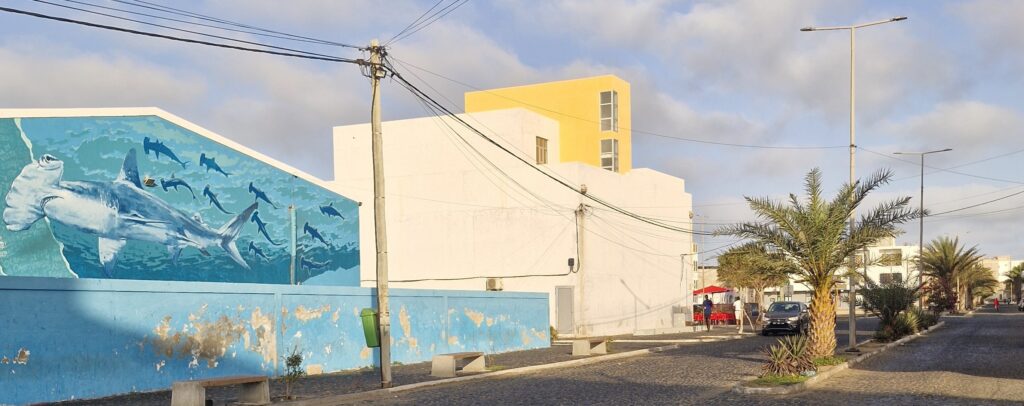
Sal Rei, Boa Vista,Cape Verde
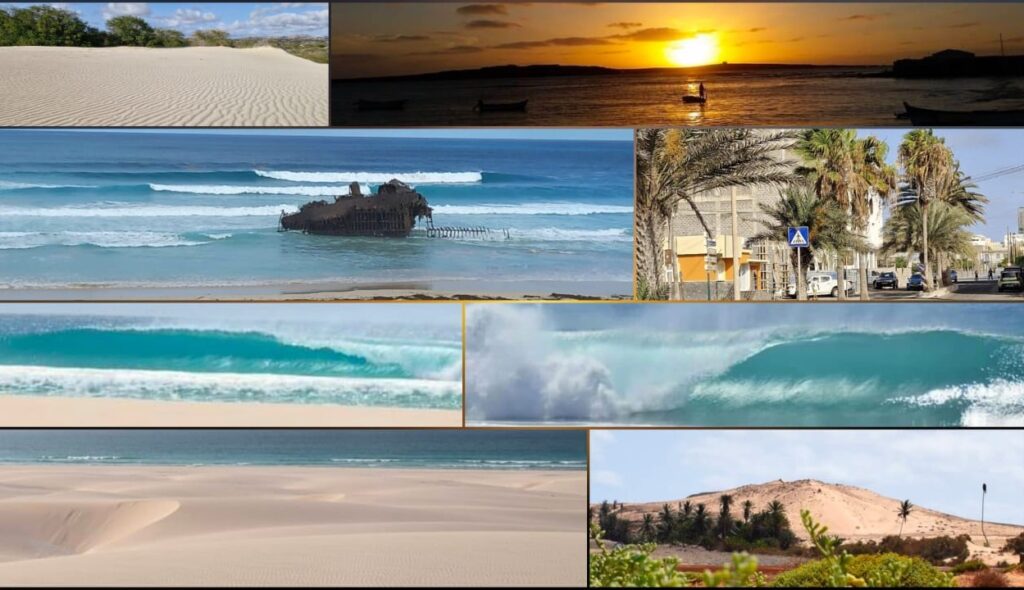
The Island – Boa Vista
Boa Vista is known for its wide open landscapes, untouched coastline and relaxed pace of life. The island combines long sandy beaches, warm temperatures throughout the year and a unique mix of desert scenery and Atlantic Ocean views.
- Spectacular sunsets over the Atlantic
- Kilometre-long, fine sandy beaches
- Turquoise blue waters
- Endless sunshine and warm temperatures throughout the year
- Impressive dunes and desert scenery right by the sea
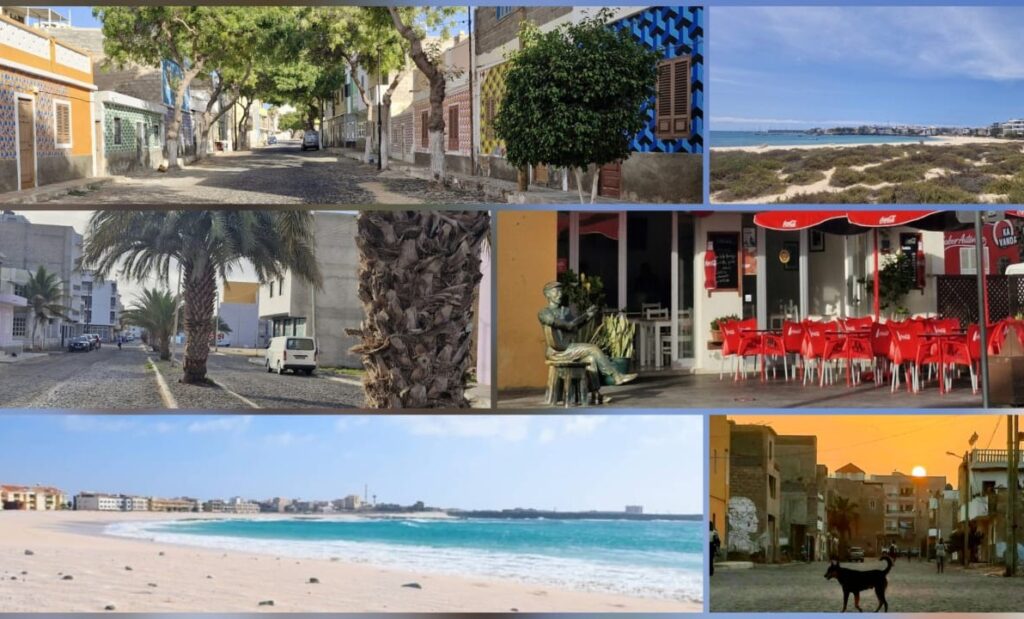
The Town – Sal Rei
Sal Rei, the charming capital of Boa Vista, known for its welcoming atmosphere, colourful streets and easy-going island lifestyle. It offers everything visitors need while maintaining the charm and authenticity of a small Atlantic town.
- Colourful houses and palm-lined streets
- Walkable town centre
- Small bars and cosy cafés
- Local markets and small shops
- Restaurants serving freshly caught fish
- Evenings with creole music
- Safe and relaxed atmosphere
- Slow-paced lifestyle
Sal Rei, Boa Vista – History & Culture
The history of Sal Rei in Boa Vista, Cape Verde is closely linked to the wider development of the Cape Verde islands, shaped by Atlantic trade routes, migration and cultural exchange over centuries. While the islands were uninhabited in a permanent sense, there is evidence that they were known and visited by sailors long before European settlement.
Timeline
- Pre-15th century
The Cape Verde islands were likely known to Arab and African sailors navigating the Atlantic, although no permanent settlements existed. - Mid-15th century
Portuguese navigators reached and began settling the islands, integrating them into emerging Atlantic trade networks. - 16th–18th century
Boa Vista developed as an important point along maritime routes between Europe, West Africa and the Americas. Salt extraction became a key economic activity. - 18th–19th century
Sal Rei grew as a centre for salt production and export. The name “Sal Rei” (“Salt King”) reflects this period of economic importance. - 19th century (late)
Decline in salt trade and changing global routes led to economic downturn and increased emigration. - 20th century
Boa Vista remained isolated, with strong migration shaping local communities and identity. - 1975
Cape Verde gained independence, marking a new phase of national identity and development. - Today
Sal Rei is the main town of Boa Vista, combining everyday island life with slow, growing tourism while maintaining its local character.
Today, Sal Rei reflects a mix of African and Portuguese influences, shaped by history, migration and the ocean. Music, especially morna and coladeira, remains an important part of daily life, while strong community ties and a relaxed pace define the atmosphere.
Despite gradual development, Boa Vista has kept much of its authenticity — a place where tradition, nature and island life still come together in a very real way.
